Lush by Nature: Boutique Luxury Reimagined
Today we explore Sustainable Opulence in Boutique Hotels: case studies of plant‑derived materials and living features that merge indulgence with ecological intelligence. From mycelium acoustics to rooftop farms and botanical leathers, discover how design choices elevate comfort, deepen narrative, and reduce impact without sacrificing elegance. Expect tactile details, operational insights, and guest‑experience moments you can feel, smell, and remember. Share your favorite examples or questions at the end, and subscribe to follow new field notes and interviews from forward‑thinking hoteliers.
Plant-Derived Materials That Feel Like Couture
Opulence can be feather‑light when it draws from forests, fields, and fungi. Boutique properties are exchanging petroleum‑heavy finishes for renewable fibers shaped with craft: mycelium molded into sculptural panels, bamboo engineered for strength and sheen, hemp‑lime walls that breathe. The result is a language of comfort that ages beautifully, patinas honestly, and tells a sourcing story guests can trace. In the lobby or a quiet suite, these materials invite touch, soften acoustics, and unlock sensory memories aligned with place.
Green Walls Tuned for Wellness, Not Just Wow
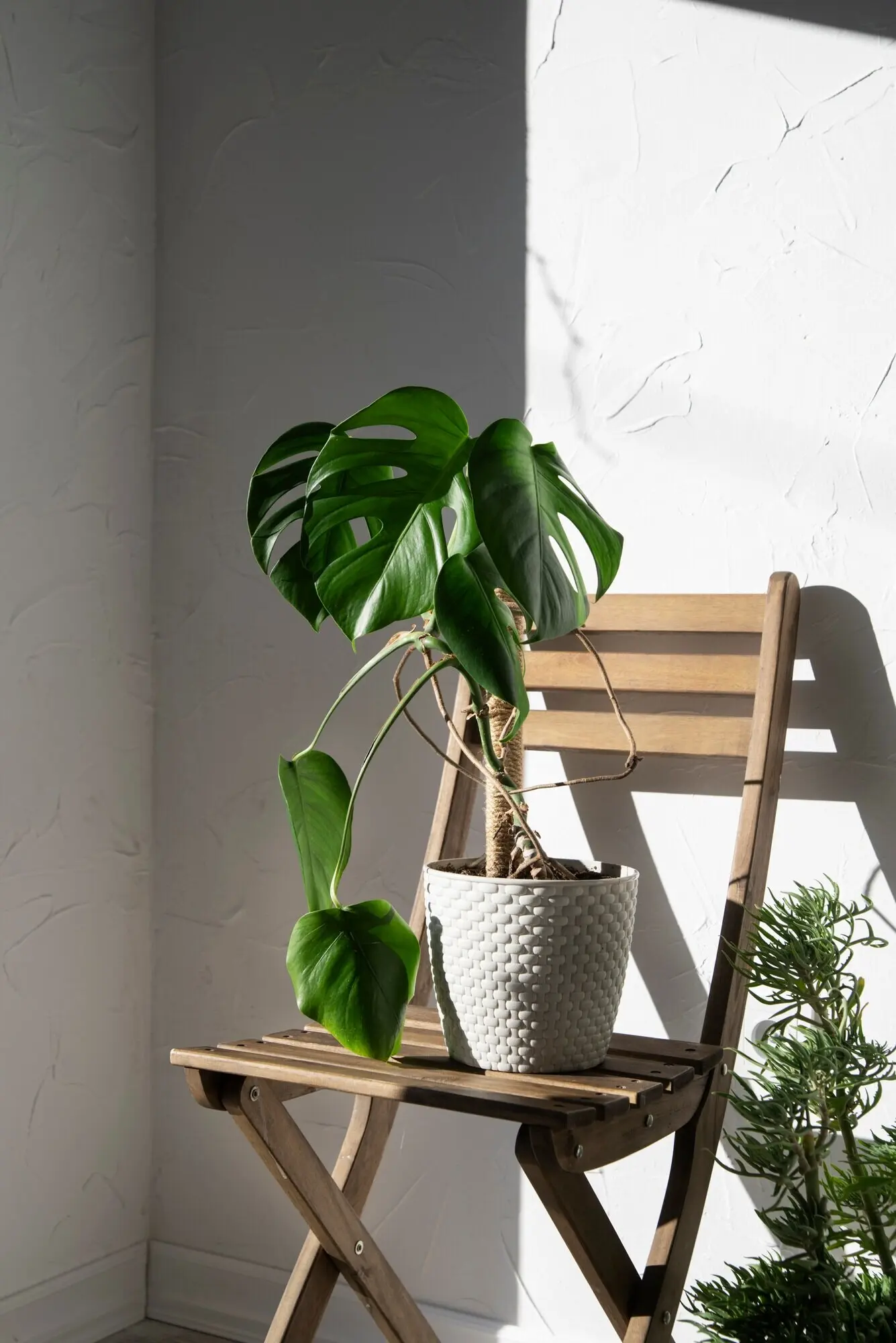
The best vertical gardens are engineered like instruments. Species selection balances leaf area with maintenance bandwidth; irrigation zones self‑flush, and sensors flag stress before browning spreads. A riverside boutique property found guests lingered longer near a lobby green wall, reporting calmer moods and clearer heads during check‑in. By pairing ferns and philodendrons with under‑leaf air movement, the wall avoided mustiness and supported gentle sound masking. Staff training emphasized pruning as choreography, reinforcing the artwork’s living continuity.

Rooftop Farms and Edible Landscapes
Herb terraces and microgreen beds turn roofscapes into kitchens’ closest partners. Chefs harvest basil minutes before service; bartenders pinch lemon verbena into syrups, and breakfast omelets feature rooftop chili heat. A seaside inn measured menu cost stability during herb price spikes, attributing savings to on‑site harvests and compost‑fed soils. Guests book garden tours at sunset, learning about soil health, pollinator corridors, and rainfall capture. The farm’s textures become table centerpieces, steeped in narrative and aroma.
Textiles, Dyes, and Scents Drawn From Plants
Linen, hemp, lyocell, and organic cotton weave a quieter kind of extravagance. Breathability, thermoregulation, and low‑sheen luster translate to deeper sleep and less glare in photos. Botanical dyes step beyond trend by celebrating terroir, while mineral mordants minimize toxicity and water use. Paired with housekeeping cycles that respect fiber longevity, these textiles age into buttery softness. Layer scents from herbs and woods to anchor memory; one whiff later, guests recall the room as clearly as the view.

Bedding That Performs Through the Night
Hemp‑linen blends resist moisture and temperature swings, keeping sleepers comfortable across varied climates. A city micro‑boutique published fewer linen replacements after switching to heavier‑weight weaves and cooler wash programs. Lyocell adds sheen and smoothness without clinging, pleasing hot sleepers. Guests wrote about waking without that mid‑night shuffle to find the cool side of the pillow. The tactile honesty of plant fibers, free from squeaky synthetics, quietly upgrades perceived room value beyond thread count marketing.
Color From Petals, Peels, and Bark
Natural dye studios collaborating with hotels create hues that feel rooted: marigold golds, avocado seed blush, indigo midnight. By standardizing small‑batch recipes and documenting water profiles, consistency meets artistry. A forest retreat framed its duvets with hand‑dyed borders, giving housekeepers easy orientation while guests admired the gentle irregularity that machine prints rarely capture. Fabric offcuts became sachets filled with lavender from the garden, closing material loops and gifting guests something scented, beautiful, and genuinely useful.
Signature Aromas That Honor Place
Scent storytelling can drift into cliché, yet plant‑true blends anchor authenticity. Think rosemary, pine, and citrus zest for a cliffside hideaway; or cacao husk, vanilla orchid, and coffee blossom for a highland escape. Diffusion schedules prioritize lobbies and turn‑down rituals, not blanket saturation. A boutique operator surveyed guests on preview scents at check‑in, inviting choice rather than imposing a singular identity. Consent transformed fragrance from marketing fog to personal welcome, with higher satisfaction and fewer sensitivities reported.
Maintenance, Operations, and Staff Rituals
Living features and plant‑rich finishes succeed when operations feel empowered. Training blends horticulture basics with hospitality finesse; preventative care calendars sit beside seasonal menus. Plant‑based cleaning concentrates protect finishes and keep scents honest. Housekeeping learns where to mist and where to avoid excess moisture. Procurement diversifies sources to buffer harvest variability. When teams understand the why behind each material and leaf, they protect investments, create smoother turnarounds, and greet guests with confidence instead of caution tape.
Arrival Choreography With Living Design
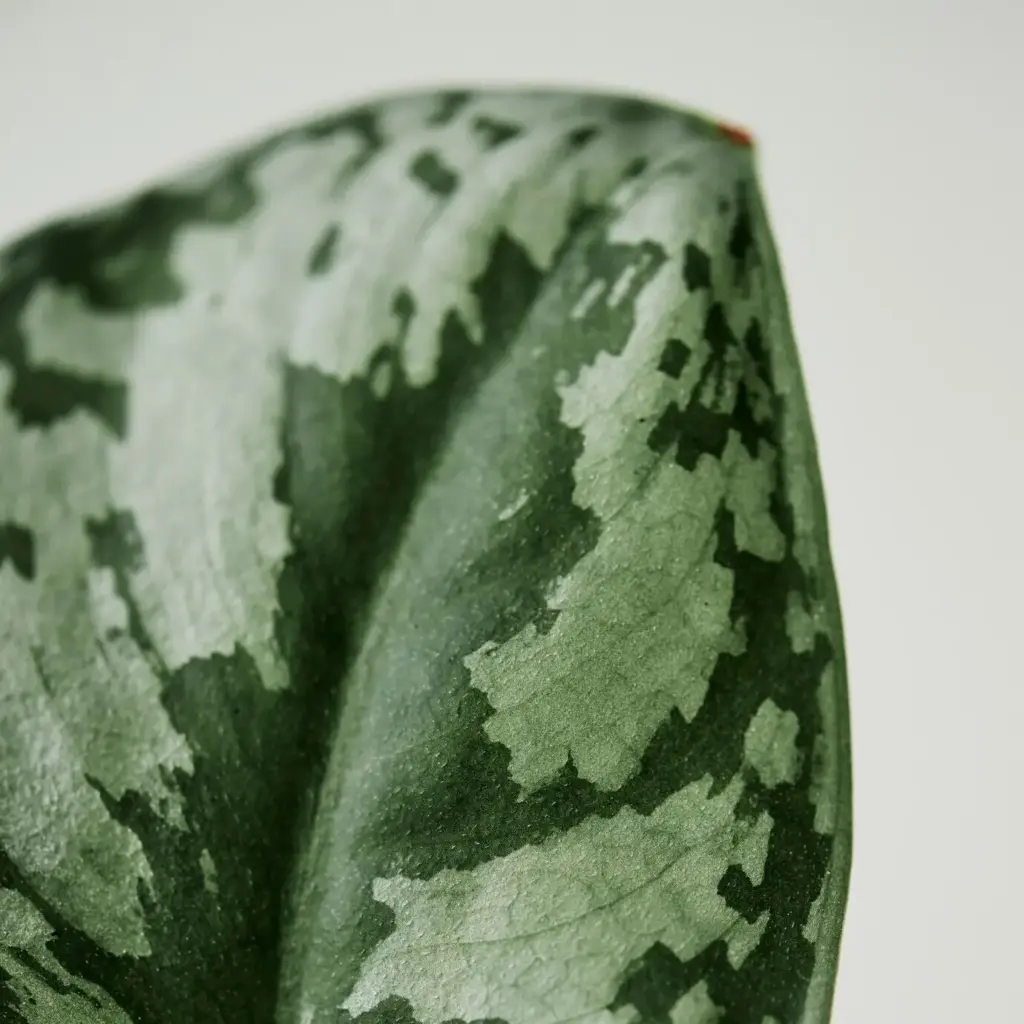
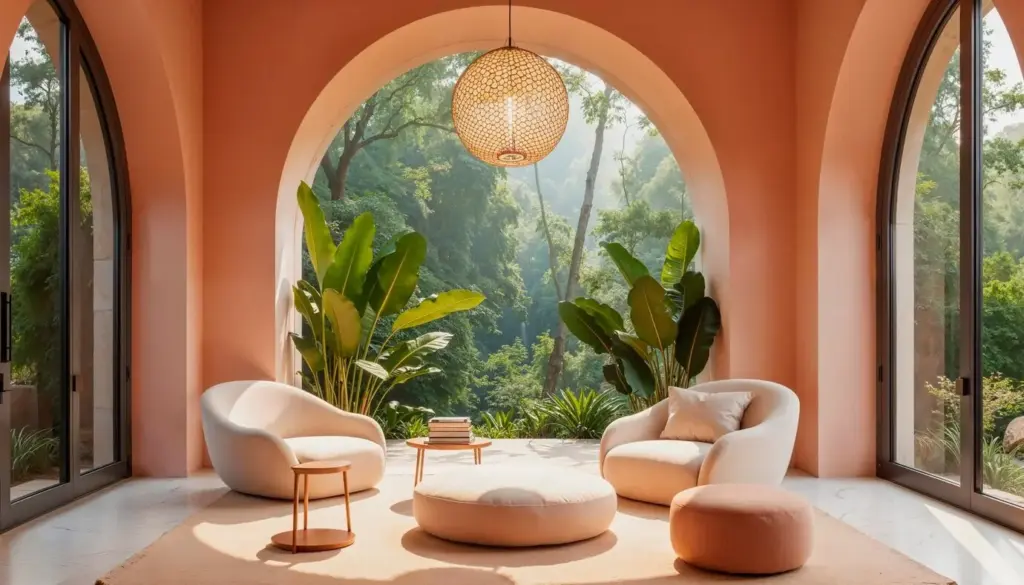
Imagine stepping from traffic into filtered light, shoes whispering over bamboo as air cools around a fountain planted with papyrus. A host offers mint clipped seconds ago, then gestures toward a green‑walled alcove for check‑in. The ritual slows pulse and sharpens curiosity. By scripting micro‑pauses aligned with biophilic cues, the hotel reframes luxury as unhurried attention. Wayfinding uses plant groupings and scent markers, letting guests navigate intuitively while absorbing the narrative embedded in every leaf and texture.
Materials Passports and Radical Transparency

QR tags discreetly placed near headboards or tables open to beautiful pages showing origin, maker, maintenance tips, and end‑of‑life plans. Guests learn a cactus leather wrap comes from rain‑fed paddles, or that mycelium panels return to soil if retired. This transparency sparks pride and care; spills are reported faster, and souvenirs are chosen more thoughtfully. The passport doubles as training material for staff, aligning everyone around a shared belief that luxury includes honesty and stewardship without moralizing.
Programs: Planting, Tasting, and Hands-On Calm

Weekly workshops invite guests to press herb cuttings, craft natural dye swatches, or harvest for a chef’s amuse‑bouche. Families leave with tiny jars of rooftop honey or seed balls for balcony pots. A shy traveler wrote that shaping soil grounded a stressful business trip better than any spa treatment. By integrating hands‑on encounters that are gentle, optional, and beautifully hosted, the property transforms sustainability from signage into memory, deepening loyalty while teaching skills that travel home gracefully.
Investment, Measurement, and Proof of Value
Sustainable opulence is not an act of faith; it is a portfolio of returns spread across energy, maintenance, occupancy, and brand love. CapEx rises in some lines and falls in others, offset by lower turnover and compelling narratives. Track what matters: dwell time near living features, linen replacement rates, review sentiment about sleep, and ADR trends. Share wins honestly and admit lessons. Investors, staff, and guests respond to credible data paired with visible, beautiful proof in space.

CapEx vs. OpEx in Plant-Forward Design
Upfront costs for irrigation, sensors, and premium plant‑based finishes can look steep, yet lifecycle math often favors durability and guest preference. A boutique operator documented fewer repaint cycles with limewash over conventional paint and longer floor life with strand bamboo. Staffing shifts toward skilled horticulture, reducing reactive maintenance. By modeling scenarios and phasing installations, owners protect cash flow while still delivering signature moments. Financial clarity and patient sequencing keep ambition alive without overextending during early seasons.

Metrics That Capture What Guests Actually Feel
Traditional KPIs struggle to describe calm, yet proxies exist. Measure average time spent in planted lounges, track sleep‑quality mentions in reviews after textile upgrades, and correlate farm‑to‑bar programs with F&B capture. Sentiment analysis reveals language shifts from flashy to restorative. Linen replacement rates and amenity waste volumes provide grounding numbers. Together, these indicators validate that plant‑rich luxury is not only beautiful but operationally smart, turning guest perception into measurable performance without reducing experience to spreadsheets.